Is It Really “Grandma’s Penicillin”?
You’ve likely heard that chicken soup is “good for the soul.” The reputation of this ancestral remedy is well-earned, but science offers a nuanced view. While one notable study suggested it might not directly shorten the duration of a cold, it confirmed something equally important: the amino acids and compounds in a well-made broth—like a cherished family recipe—can reduce inflammation in the respiratory system and aid digestion, providing genuine symptomatic relief and comfort.
 Why Bone Broth Is a Nutritional Powerhouse
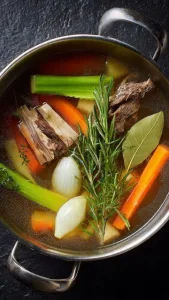
Bone broth goes beyond simple soup. It is a deeply nourishing food revered in ancestral traditions and supported by nutritional science for its rich profile of collagen, gelatin, amino acids, and trace minerals. When prepared with quality ingredients, it delivers specific building blocks that support:
- Joint & Bone Health: Collagen provides the structural matrix for bones and cartilage, which can be more critical than calcium alone for maintaining flexibility and strength.
- Gut Integrity: Gelatin and amino acids like glycine and proline are foundational for healing and sealing the gut lining.
- Skin Vitality: The same collagen that supports joints also contributes to skin elasticity and hydration.
- Overall Vitality: It provides easily assimilated nutrients that support immune function and overall metabolic balance.
The quality of the broth depends entirely on the quality of its sources: grass-fed, organic bones from healthy animals will yield the most therapeutic benefits.
A Practical Guide: My Signature Method
Over years of practice, I’ve refined a method that maximizes both flavor and nutritional yield. Here is my foundational approach:
Essential Ingredients:
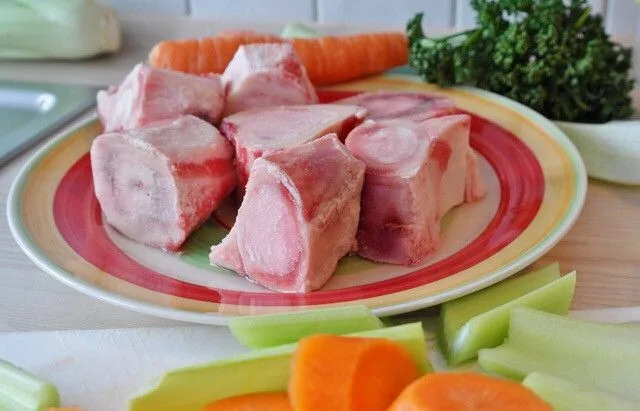
- The Bone Blend: 1 beef knucklebone, 3-4 marrow bones, 4 chicken wings, 1 pig foot (split), 2 turkey necks, 1 chicken back.
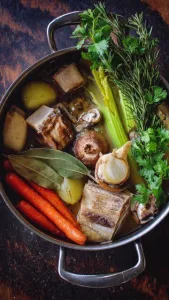
- The Aromatics: 1 large unpeeled onion, 2 carrots, 3-4 celery stalks, 1 parsnip or beet. Rosemary and bay leaves are my favorite flavoring herbs. Parsley
- The Boosters: A 5-inch piece of kombu seaweed (for iodine), a few dried organic reishi mushrooms (for immune support).
- The Acid: 2 tablespoons of raw apple cider vinegar (crucial for mineral extraction).
 Core Technique:
- Soak & Start Cold: Place bones in a large pot, cover with cold, filtered water, and add vinegar. Let soak for 30 minutes before heating.
- Simmer, Don’t Boil: Bring to a bare simmer. A visible, rolling boil will make the broth cloudy. Skim off any impurities that rise.
- Time It Right: For this mixed batch, a simmer of 18-24 hours is ideal. Add hardy vegetables and spices in the last 2-3 hours. Add delicate greens, fresh herbs, or minced garlic (for full medicinal benefit) only in the last 30 minutes or after turning off the heat.
- Strain & Store: Strain the broth through a fine-mesh sieve. Let it cool, then refrigerate. A sign of high gelatin content is a solid, jiggly consistency when cold. It keeps for about 5 days in the fridge or 3 months frozen.
Key Tips for Success
- Source Wisely: Build a relationship with a trusted butcher or join a local CSA to access the best bones.
- Roast for Flavor: Roasting bones and vegetables before simmering creates a richer, deeper flavor.
- Use the Right Pot: Opt for enameled cast iron, stainless steel, or glass. Avoid aluminum or reactive metals.
Integrating Broth into Your Wellness Practice
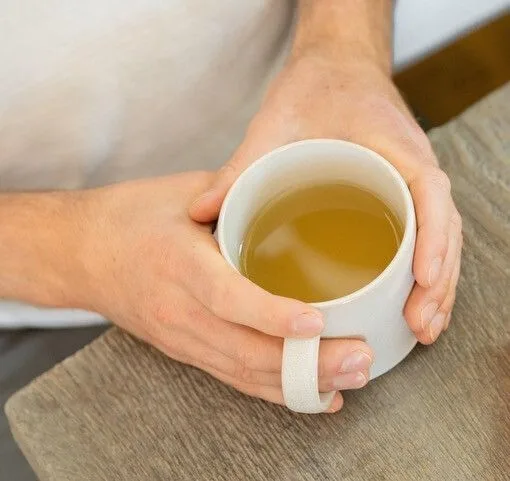
Bone broth is a versatile foundational food. Drink it straight from a mug for a warming, caffeine-free boost. Use it as the base for soups, stews, and sauces to enhance the nutrient density of your meals. It’s a perfect example of the “food as medicine” philosophy, seamlessly blending the wisdom of traditional nourishment with the goals of modern functional wellness.
Ready to make bone broth a cornerstone of your health routine? This is just one element of a personalized nutrition strategy that combines functional science with timeless wisdom.
Dr. Fabio Massimo Paciucci
Integrative Health Practitioner | DACM, MSTOM, FMCP
📞 +1 (917) 299 5422 | ✉️ dr.fabio@fabshealing.com
Schedule a Consultation | Explore All Treatments